
Livelihood upliftment through off season farming
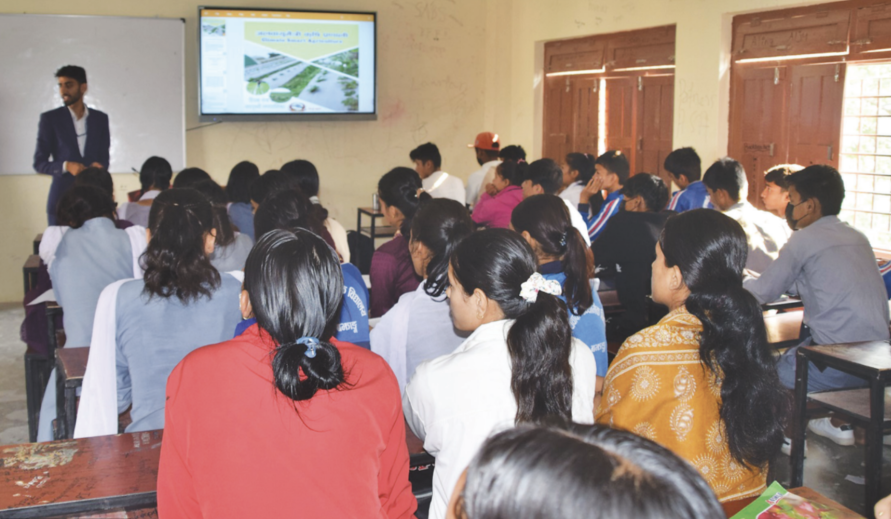
In the winter season, mountainous areas like Bajhang district get snow covered, especially in Poush and Magh. Snow often piles up to a foot deep. At such times, even walking outside feels impossible, so no one ever imagined seeing ripe red tomatoes growing in tunnel houses. But today, that has come true. The Selakhet locals are not only surprised, they are filled with new energy and belief that technology can truly change their lives. Together, they have taken a bold step to make their village a tomato pocket area. Selakhet under the former Rithapata VDC is located near Chainpur, a district headquarter. This remarkable change began with financial support from the Poverty Alleviation Fund and technical guidance from the Social Development Centre Nepal (SDC Nepal). Through their “Off-season Vegetable Cultivation and Infrastructure Development Program,” local farmers tested tunnel farming technology for the first time. Before, they were afraid of new ideas and depended only on the mercy of the weather. Now, they proudly grow tomatoes, cucumbers, bottle gourds, and many other vegetables—not just in one season, but all year round, even during cold winters and heavy rains. Local thanks to the nearby market in Chainpur, their produce always finds buyers. Once, Selakhet was a place where people survived on daily wage work, struggling to even afford salt and oil. But today, those same villagers have become confident and self-reliant farmers. Many who once walked long distances for labor work now earn Rs. 30,000 to 50,000 per season, right from their own fields. This transformation was led by the Selakhet Joint Community Organisation, which brought together 64 households from the Pragatishil and Surma Samudayik Samuha of Ward No. 3. They started small—with just 10 tunnel houses for trial farming. After seeing the success, they launched a movement called “One Household, One Tunnel,” with a dream to make Selakhet a fully vegetable-producing pocket area. According to institution chairperson Nawaraj Koirala, land that once produced only Rs. 1,500 to 2,000 worth of grain per season now gives vegetables worth up to Rs. 100,000 annually. Just this year, the village produced tomatoes worth Rs. 1.5 million. Seeing the success, farmers are now building 15 more tunnels, aiming to double their production next year. The SDC Nepal has also trained the farmers on modern farming techniques—proper seedling spacing, use of organic compost, pest control, pruning, nursery management, and the use of polybags and polythene domes for seedling growth. Farmer Kuber Kunwar shared that such practical training gave them the courage to take vegetable farming as a dependable livelihood. Similarly, farmer Khadka Bista proudly explained that they now use only organic methods, as chemical fertilizers and pesticides harm both soil and human health. With bio-liquid fertilizers and compost, their soil has become more fertile and pests have reduced. From the tomatoes he planted in Magh, Khadka earned over Rs. 30,000 by Jestha—a success he once thought impossible. By the end of Kartik, the community aims to build 15 more tunnels with loans from their revolving fund. Their goal is to make sure the entire tomato demand of Chainpur’s market is supplied by Selakhet. Alongside, the institution is also planning to provide drip irrigation systems and livestock improvement programs as subsidies for committed farmers. From hardship and snow to warmth and prosperity, Selakhet’s journey is truly a story of faith, unity, and transformation. The snow still falls in Magh, but inside the plastic tunnels, the red glow of tomatoes now shines with the promise of a bright, self-sustaining rural future. [This success story is from the SDC Nepal’s archive, 2013.]